
This policy forms part of our Terms of Use. By opening a Kinwi store, you agree to comply with this Policy, our Terms of Use, our Selling Policy, and our Privacy Policy. This Policy complements our Selling Policy, which outlines the categories permitted on our Platform. Please read this policy carefully and check back periodically for updates.
Throughout this document, the terms “we”, “us”, and “our” refer to Kinwi Limited. The terms “you” and “your” refer to you, the vendor. “Platform” means our marketplace at kinwi.co.nz.
We expect all vendors to respect the law. You may only list items in your physical possession that you are legally entitled to sell. Illegal items, items that promote unlawful activity, and stolen goods are strictly prohibited.
When listing items for sale on Kinwi, you must comply with all applicable New Zealand legal requirements. This is solely your responsibility; the information below is provided for educational guidance only and does not constitute formal legal advice.
Kinwi reserves the right to determine what may be listed on our Platform and to remove any listings at our sole discretion. If Kinwi has reason to believe you, your store, or your listings violate our Terms or Policies, we may suspend or terminate your account and selling privileges. Generally, Kinwi will notify you if your account or content has been actioned, unless repeated violations have occurred or legal reasons prevent us from doing so.
All products sold in New Zealand must be safe. You are legally responsible for ensuring that every product you list complies with New Zealand safety standards. Please review the official Product safety requirements for all businesses and the Commerce Commission’s Product safety and consumer information standards. All food and beverage products must comply with New Zealand Food Safety legislation.
Pornography of any kind is strictly prohibited. Non-pornographic artistic nudity is permitted (for example, in paintings, drawings, or sculptures), provided it is tasteful, artistic, and unlikely to cause offence.
Under the Sale and Supply of Alcohol Act 2012, selling alcohol to the public requires a valid licence. Unless you hold an active off-licence certificate endorsed for remote sales, you may not list alcohol on our Platform.
Holders of a remote sale off-licence must display on every alcohol listing, in a prominent position: a legible image of the licence, or a clearly identified link to an image showing the licence holder’s name, licence number, and expiry date. You must also maintain a clear delivery policy in compliance with New Zealand alcohol delivery laws. Kinwi may request verification of your licence at any time.
Home beer-brewing kits and baked goods containing alcohol (where alcohol is cooked off or non-intoxicating) may be sold without an alcohol licence.
The sale of live animals is strictly prohibited. You must not list live animals of any kind on Kinwi. Our Pet Care category is dedicated exclusively to animal accessories, bedding, and pet care products.
Selling elephant ivory or ivory products is strictly prohibited. Items created using any endangered or threatened animal species are prohibited.
You may list bones, teeth, feathers, and remains of non-endangered species, as well as extinct species (such as moa bones), provided the items were not sourced from Department of Conservation (DOC) reserves or an archaeological site. Where historical taonga tūturu are crafted from feathers, bone, or natural remains, they remain protected New Zealand objects subject to the Protected Objects Act 1975.
Non-ivory animal horn, antlers, leather goods (such as shoes, bags, and belts), and textiles made from animal wool or hair (e.g. mohair, alpaca, merino) are permitted.
All animal traps, gin traps, and snares are strictly prohibited.
The sale of live bees is prohibited. The sale of new, handmade beehives, honey extractors, and beekeeping equipment is permitted.
The sale of black coral is strictly prohibited under the Fisheries (Commercial Fishing) Regulations 2001. No person may sell, possess for sale, or process for sale black coral.
Selling candles and candlewicks containing lead is strictly prohibited by law.
Because candles carry a fire risk, all handmade candles must be safe and include a clear safety warning label (e.g., “⚠ WARNING: Burn within sight. Keep away from flammable objects. Keep away from children and pets.”). Freestanding and container candles (such as glass jars or metal tins) must be stable and made from containers designed to safely withstand the heat of burning wax.
Children’s nightwear is subject to mandatory New Zealand product safety standards. Please review the official Children’s nightwear safety standards before listing these items.
When creating handmade children’s nightwear, choose snug-fitting designs and low fire-hazard fabrics. Unless using an approved snug-fitting design, avoid fabrics that are cellulose-based (cotton, bamboo, linen, viscose, rayon) or acrylic-rich, as these fabrics ignite and burn rapidly. All children’s nightwear must display the required fire hazard warning label.
Children’s toys must comply with mandatory product safety standards. Toys intended for children under 36 months must not contain small parts that can detach and cause choking. Please review the Children’s toys safety standards and download the official toy safety standard factsheet before listing.
It is unlawful to supply toys that contain lead above specified thresholds. Toys containing high-powered loose magnets are banned in New Zealand. Please consult the official guide to general toy safety for more information.
Cigarettes, cigars, loose tobacco, e-cigarettes, vaping liquids, and nicotine replacement products are strictly prohibited under the Smoke-free Environments and Regulated Products Act 1990. Used, collectible Kiwi-made tobacco pipes are permitted in our Vintage category.
New clothing and textiles sold in New Zealand must carry mandatory consumer labels, including:
• Fibre content labelling (e.g. 100% Merino wool)
• Care labelling (washing and dry-cleaning instructions)
• Country of origin labelling (stating Made in New Zealand)
Clear labelling ensures buyers know how to care for their garments. Second-hand garments are exempt from these labelling standards. Minor accessories such as bags, hats, belts, and shoelaces are also exempt.
Vendors are solely responsible for ensuring that all listings, photographs, and items do not infringe on any third party’s copyright, trademark, or intellectual property rights. Please consult the IPONZ Copyright Guide for details on New Zealand copyright law.
Cosmetics include soaps, shampoos, body creams, lotions, balms, and makeup. All cosmetics must comply with Environmental Protection Authority (EPA) cosmetic and toiletry regulations.
You must provide full ingredient labelling, use only approved colourants, and ensure your products do not contain banned or restricted chemicals. Cosmetics must be manufactured, stored, and packaged hygienically to prevent microbial contamination. You can download the official EPA cosmetics fact sheet for packaging and labelling rules.
To reduce the risk of injury to infants, household cots must comply with mandatory design and safety standards, including bar spacing, structural strength, and safety warning labels. Please review the Household cots safety standards. Antique or collectible cots that do not meet current safety standards must clearly display a prominent warning label stating they are not intended for infant sleeping.
All illegal drugs, prescription medications, psychoactive substances, and drug paraphernalia are strictly prohibited.
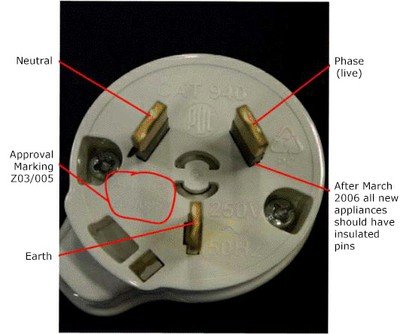
Anyone supplying electrical appliances or fittings in New Zealand (including second-hand or restored vintage goods) must ensure items comply with the Electricity Act 1992 and the Electricity (Safety) Regulations 2010.
Essential Requirements:
• All electrical products must be safe to use and comply with recognised safety standards (NZS or AS/NZS).
• Items must feature a New Zealand 3-pin plug with insulated pins. Selling items with overseas plugs—even with travel adaptors—is strictly prohibited.
• Declared medium-risk articles require a valid Supplier Declaration of Conformity (SDoC).
Vintage & Second-Hand Electrical Goods:
If you are listing a vintage lamp or appliance and are unsure whether it is compliant:
1. Have the item tested, tagged, or rewired by a qualified electrician prior to listing; OR
2. Remove or cut off the electrical plug, and clearly state in your listing description: “Plug removed for safety; this item must be inspected and rewired by a qualified electrician before use.”
Washable, handmade fabric face masks are permitted. However, you must not make therapeutic or medical claims that a mask cures, prevents, or protects against COVID-19 or other communicable diseases.
Firewood must be clean, untreated timber. Selling treated timber off-cuts (such as CCA-treated fencing or decking timber) as firewood is strictly prohibited due to toxic fumes.
Fireworks, pyrotechnics, and explosive precursor chemicals are strictly prohibited.
Handmade food and beverages produced for sale in New Zealand must comply with the Food Act 2014. All food must be prepared in registered commercial premises or under an approved Food Safety Programme / National Programme, and comply with mandatory food labelling and allergen declarations.
Exemptions: Growers selling unprocessed, home-grown fresh fruit and vegetables directly to consumers are exempt from food business registration. Whitebait caught in compliance with local fishing regulations is also exempt.
Selling raw or untanned animal fur pelts is prohibited on Kinwi.
Gang insignia, patches, and gang-affiliated memorabilia are strictly prohibited.
Guns, firearms, ammunition, and weapon components are strictly prohibited. Gun storage accessories (such as handcrafted wooden display cabinets, gun racks, or leather holsters) may be sold, provided they do not attach directly to a firearm. Realistic replica or imitation firearms that could be mistaken for genuine weapons are also prohibited.
Materials that are explosive, highly flammable, corrosive, or toxic are prohibited. Please consult the EPA hazardous substances database for clarification on restricted chemicals.
Honey produced for commercial sale must comply with the Food Act 2014, meet mandatory tutin limits under the Australia New Zealand Food Standards Code, and comply with official honey labelling requirements. Beekeepers should consult the Ministry for Primary Industries (MPI) food safety rules for beekeepers.
Human remains, skulls, bones, bodily fluids, or products derived from the human body are strictly prohibited.
Nickel is a common contact allergen. If any metal components in your jewellery contain nickel, you must clearly disclose this in your listing description so sensitive buyers can make an informed choice.
Selling lottery, raffle, or sweepstake tickets online is prohibited under the Gambling Act 2003.
Small, high-powered loose magnet sets (rare-earth magnets) are prohibited from being sold in New Zealand under an Unsafe Goods Notice. Ingested magnets can attract across intestinal walls causing fatal injuries. This ban applies to loose magnet sets sold in quantities of two or more that are accessible to children.
Selling pharmaceutical drugs, prescription remedies, or over-the-counter medicines is strictly prohibited under the Medicines Act 1981.
Films, DVDs, and laserdiscs listed in our Vintage and Kiwiana categories must carry the official New Zealand classification rating label in accordance with the Films, Videos, and Publications Classification Act 1993.
Natural health and herbal wellness products must comply with New Zealand dietary supplement and natural health product regulations. Sellers must not use banned ingredients and are responsible for product safety.
Items that promote, glorify, or depict hatred, violence, racial supremacy, or discrimination against protected groups are strictly prohibited (including Nazi or Ku Klux Klan memorabilia). Traditional religious symbols (such as the swastika used in Hinduism, Buddhism, or Jainism) are permitted only when clearly presented in authentic cultural or religious contexts.
Under the Protected Objects Act 1975, it is an offence to sell protected New Zealand antiquities to unregistered buyers. Taonga tūturu (objects over 50 years old relating to Māori culture and history) are subject to strict legal controls. All taonga tūturu found after 1976 are property of the Crown, and private sales are tightly restricted under section 14 of the Act.
Under the Fair Trading Act 1986 and Medicines Act 1981, sellers must not claim that an unapproved product prevents, treats, or cures medical conditions. Statements such as “provides soothing support for…” are acceptable, whereas claims like “cures arthritis” or “prevents influenza” attract legal penalties. Please consult the official TAPS guidelines for acceptable advertising wording.
Re-selling event, concert, or festival tickets (ticket scalping) is strictly prohibited on Kinwi.
Under section 31 of the Fair Trading Act 1986, the Minister of Commerce and Consumer Affairs can declare goods to be unsafe. You must not list items subject to active Unsafe Goods Notices (such as lead candlewicks or unsafe baby walkers).
Prescription animal remedies (PAR) and veterinary-only medicines are strictly prohibited.
Listing any weapon whose possession constitutes an offence under the Crimes Act 1961 is strictly prohibited. This includes flick knives, butterfly knives, gravity knives, double-edged dagger knives, knuckle dusters, nunchucks, pepper spray, tasers, and throwing stars. Pistol crossbows (such as Ninja pistol crossbows) are prohibited under an Unsafe Goods Notice.
Kitchen cutlery, chef knives, traditional wood-carving tools, letter openers, and martial arts training practice tools (such as wooden bokkens and jō sticks) are permitted, provided they are not marketed or intended for violent use.
We hope these guidelines help you keep your store compliant. While we cannot catalogue every conceivable item, vendors are legally responsible for adhering to New Zealand law and consumer safety standards. If you spot a listing that appears to violate these policies, please report it to us via our Contact Us page.